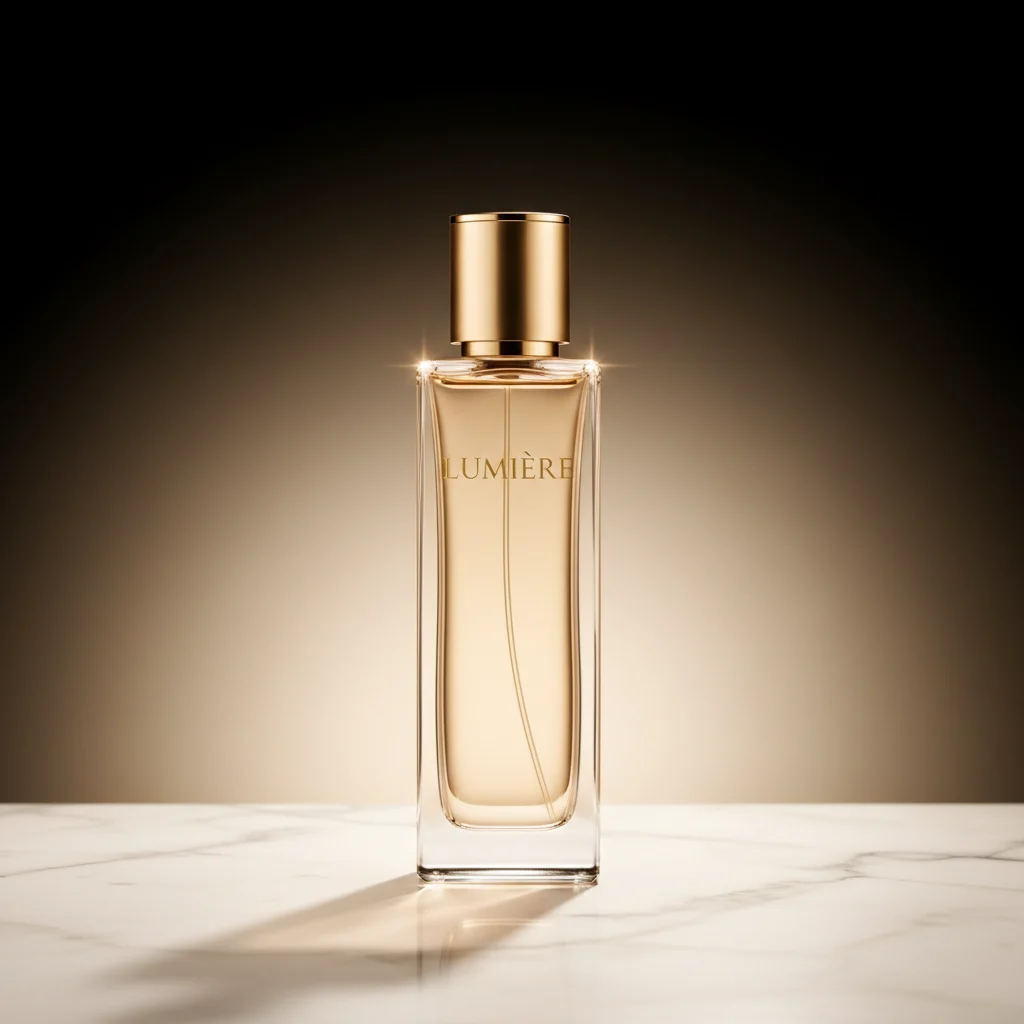
Lumière
Eau de Parfum
Bergamot, White Peony, Sandalwood
Discover →
From petal to presence
Floral is the most populated category in perfumery — and the most misunderstood. Say "floral fragrance" and most people picture something sweet, powdery and faintly nostalgic. This is not what serious floral perfumery looks like.
Great floral composition begins with understanding that flowers smell nothing like their synthetic approximations. Damask Rose absolute carries a complexity of hundreds of aromatic molecules. Bulgarian Rose has a metallic, almost leathery quality. Jasmine absolute has an indolic, animal warmth that no synthetic can replicate. These are not simple, pleasant materials. They are extraordinary ones.
The RENAE floral collection approaches flowers as a perfumer does — with curiosity, precision, and refusal to make them merely pretty.
The word "floral" in mainstream fragrance has become almost meaningless — applied equally to compositions that smell of fresh laundry and those built around genuine rose absolute costing thousands of pounds per kilogram.
The difference is detectable the moment you apply them. Synthetic floral accords smell sharp initially, then flatten within an hour into something soft and uniform. Natural flower materials evolve continuously — opening with lift, developing through complexity, settling into something rich and deeply personal.
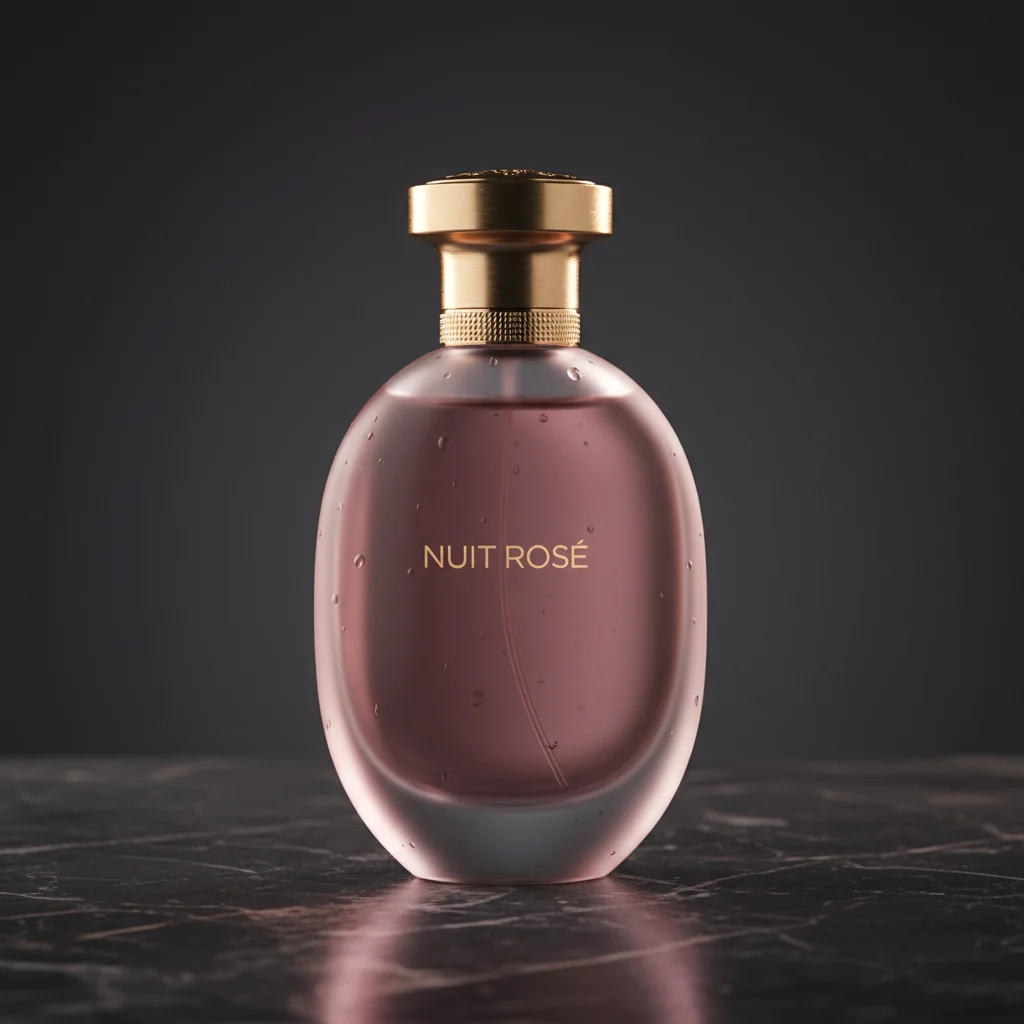
Lumière uses White Peony and Jasmine Absolute in its heart — chosen for their luminous, almost transparent quality. Nuit Rose uses Damask Rose absolute sourced from Bulgaria's Valley of Roses, harvested at dawn. The price difference reflects the difference in experience.
Light florals — white floral, iris, peony — are among the most versatile fragrance categories. They work in warm weather, in professional environments, in daytime settings where heavier orientals or woods would feel excessive.
Rich florals — rose, jasmine, tuberose — carry more weight and intimacy. They suit evenings, cooler temperatures, and contexts where you want to be noticed rather than simply present.
Lumière sits in the first category: luminous, effortless and appropriate almost everywhere. Nuit Rose occupies the second: it asks for an occasion worthy of its depth. Both are floral. They are completely different experiences.
Related Reading