What Are Perfume Notes?
In the language of perfumery, a "note" refers to a distinct scent impression that emerges at a particular stage of a fragrance's development on skin. Notes are not ingredients — they are experiences. A single ingredient (say, bergamot) can produce different notes depending on how it is processed, blended and combined with other materials.
Understanding notes allows you to read a fragrance's architecture before you even open the bottle. More importantly, it explains why the same perfume can smell completely different on two people, or on the same person, two hours apart.
Top Notes: The First Impression
Top notes are what you smell in the first five to fifteen minutes after application. They are the most volatile components in a fragrance — meaning they evaporate quickly, leaving behind the deeper structure of the composition.
Citrus notes (bergamot, lemon, neroli), light herbs (basil, grapefruit) and certain florals (lily of the valley, green rose) are classic top notes. They are bright, immediately appealing and designed to create a positive first impression.
The important caveat: never buy a fragrance based on its top notes alone. What you smell in the first spray is not what you will be wearing for the next eight hours. The true character of the fragrance has not yet revealed itself.
Heart Notes: The Soul of the Fragrance
Heart notes — also called middle notes — emerge as the top notes evaporate, typically between fifteen minutes and two hours after application. They represent the core identity of the fragrance and constitute the majority of what you actually experience when wearing a perfume throughout the day.
The heart is where a perfumer's artistry becomes most visible. It is here that florals like rose, jasmine and ylang ylang live. But so do richer, more complex materials: iris, orris root, cardamom, cinnamon, incense.
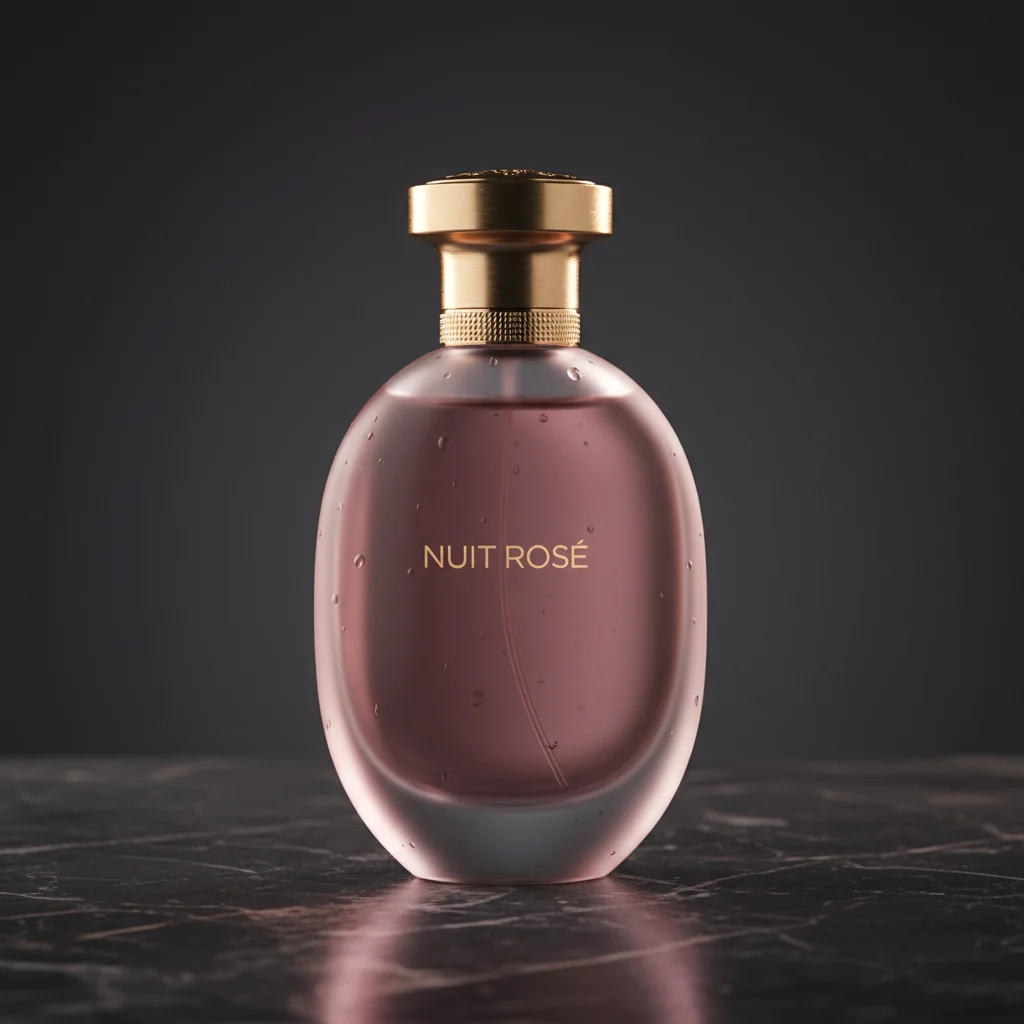
In RENAE's Nuit Rose, the heart is dominated by Damask Rose absolute — dense, almost leathery, nothing like the fresh rose of the opening. The transformation from top to heart is part of what makes a great fragrance worth paying attention to.
Base Notes: The Memory of a Fragrance
Base notes are the final act. Emerging one to two hours after application, they are the reason certain fragrances haunt you long after the person wearing them has left the room. Base notes are the densest, slowest-evaporating materials in perfumery — and the most intimate, because they interact most deeply with your skin's natural chemistry.
Classic base notes include sandalwood, vetiver, oud, amber, musk, labdanum, benzoin and vanilla. They provide depth, warmth and staying power. They are what lingers on clothing, pillowcases and scarves.
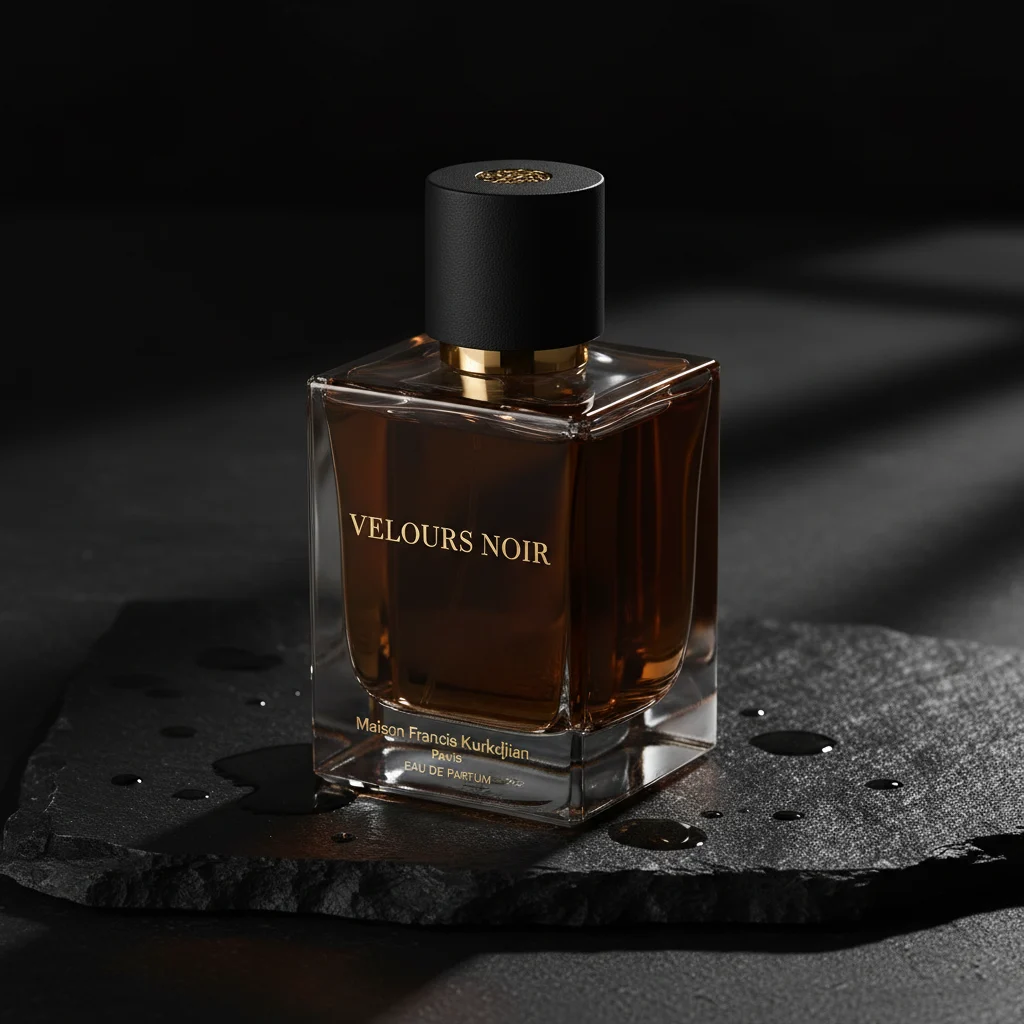
RENAE's Velours Noir is built almost entirely in the base register — Black Iris, Dark Musk and aged Vetiver creating a composition that barely changes from the first hour to the fourteenth. This is intentional. Some fragrances are not meant to surprise. They are meant to settle.
How to Evaluate a Fragrance Properly
The practical consequence of understanding notes is this: give every fragrance at least two hours before forming an opinion. Many extraordinary compositions have unremarkable or even off-putting top notes. The great ones are worth waiting for.
Apply to a pulse point — the inner wrist is ideal — and resist the urge to sniff repeatedly. Allow heat and time to do the work. Check back at twenty minutes, at one hour, at three hours.
Better still: wear the fragrance for a full day before deciding whether it is yours. Some compositions reveal themselves slowly, over long hours. The ones worth choosing often do.
From RENAE's collection: if you are exploring for the first time, begin with Lumière — its fresh-floral structure is transparent and linear, making the note progression easy to follow. Then try Nuit Rose, which transforms dramatically from bright saffron-rose to deep oud-amber. Velours Noir is best experienced in cool, quiet conditions — its base-heavy character asks for patience.