What is Oud?
Oud — also known as agarwood, aloeswood or liquid gold — is a dark, fragrant resin produced inside Aquilaria trees when they become infected with a specific type of mold. As the tree fights the infection, it produces a thick, dark resin that permeates and transforms the heartwood over decades.
This resin is the source of oud oil, one of the most expensive natural materials on earth — often worth more per gram than gold. True wild oud can cost upwards of $5,000 per kilogram. It is this rarity, combined with an almost incomparable richness of scent, that has made oud the cornerstone of Middle Eastern and increasingly Western perfumery.
The History of Oud in Perfumery
Oud has been burned as incense and worn as a perfume for over 3,000 years. Its use is documented in Sanskrit texts, the Hebrew Bible and ancient Arabic poetry. In much of the Middle East and South Asia, it is not a luxury — it is a cultural cornerstone, as fundamental to hospitality and ritual as food or prayer.
The Western fascination with oud began in the early 2000s, when houses like Tom Ford, Dior and Byredo began introducing oud-based compositions to European and American markets. What followed was a revolution: oud became the defining ingredient of the niche perfume movement.
How Does Oud Smell?
Raw oud is extraordinarily complex — it can smell woody, animalic, sweet, smoky, leathery, earthy and even slightly barnyard-like depending on its geographic origin.
Indian oud tends to be deep, animalic and medicinal. Cambodian oud is cleaner, slightly sweet and woody. Laotian oud has a green, forest quality. Saudi-style oud preparations are often blended with rose and saffron for a warmer, more voluptuous result.
In modern perfumery, oud is often used in accord form — a synthetic or blended approximation that captures the character of natural oud while offering consistency and ethical sourcing.
How to Wear Oud Perfume
Oud fragrances are typically long-lasting and project with some intensity. A little goes a long way. Apply to pulse points — wrists, neck, inner elbow — and allow the fragrance to develop over the first 20 minutes before judging it.
Oud is most at home in cooler temperatures and evening settings, though high-quality modern oud compositions can be worn year-round. It pairs beautifully with rose (a classic Middle Eastern combination), amber, sandalwood and vetiver.
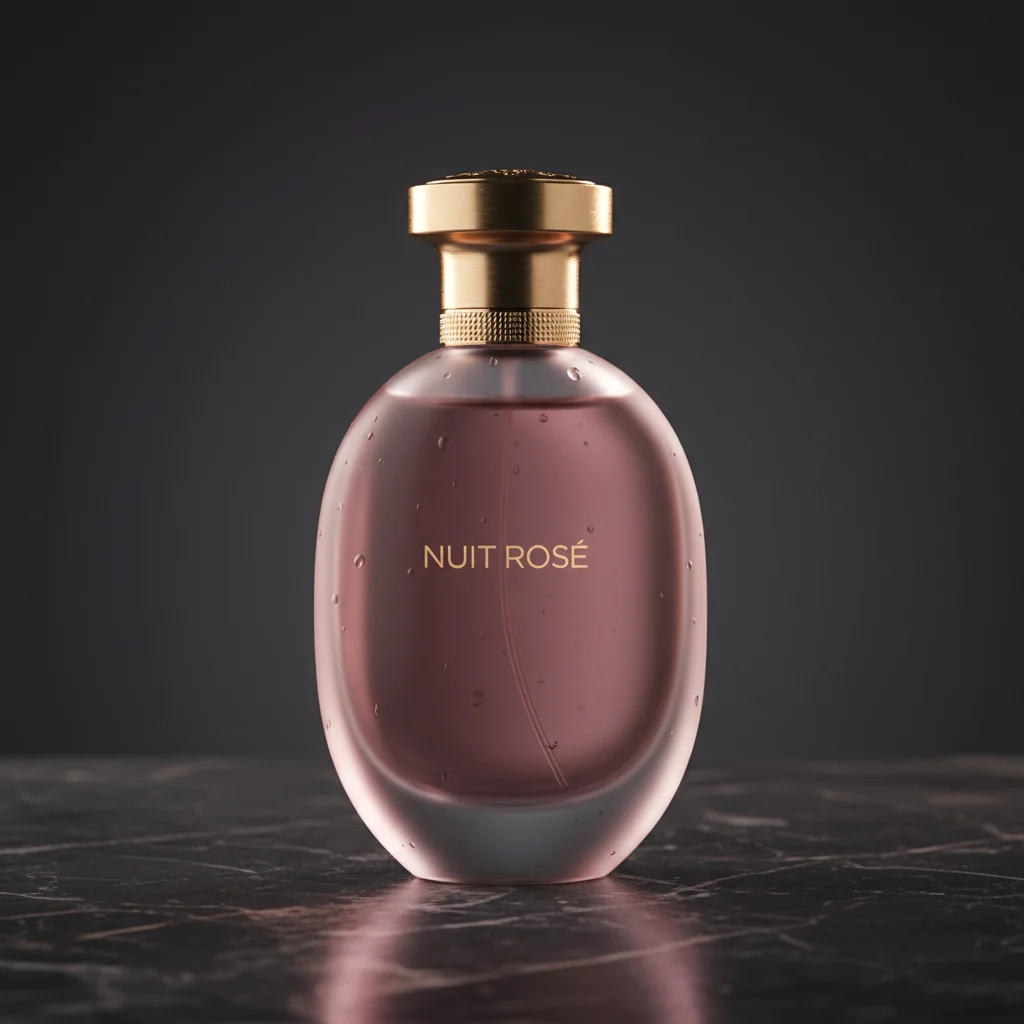
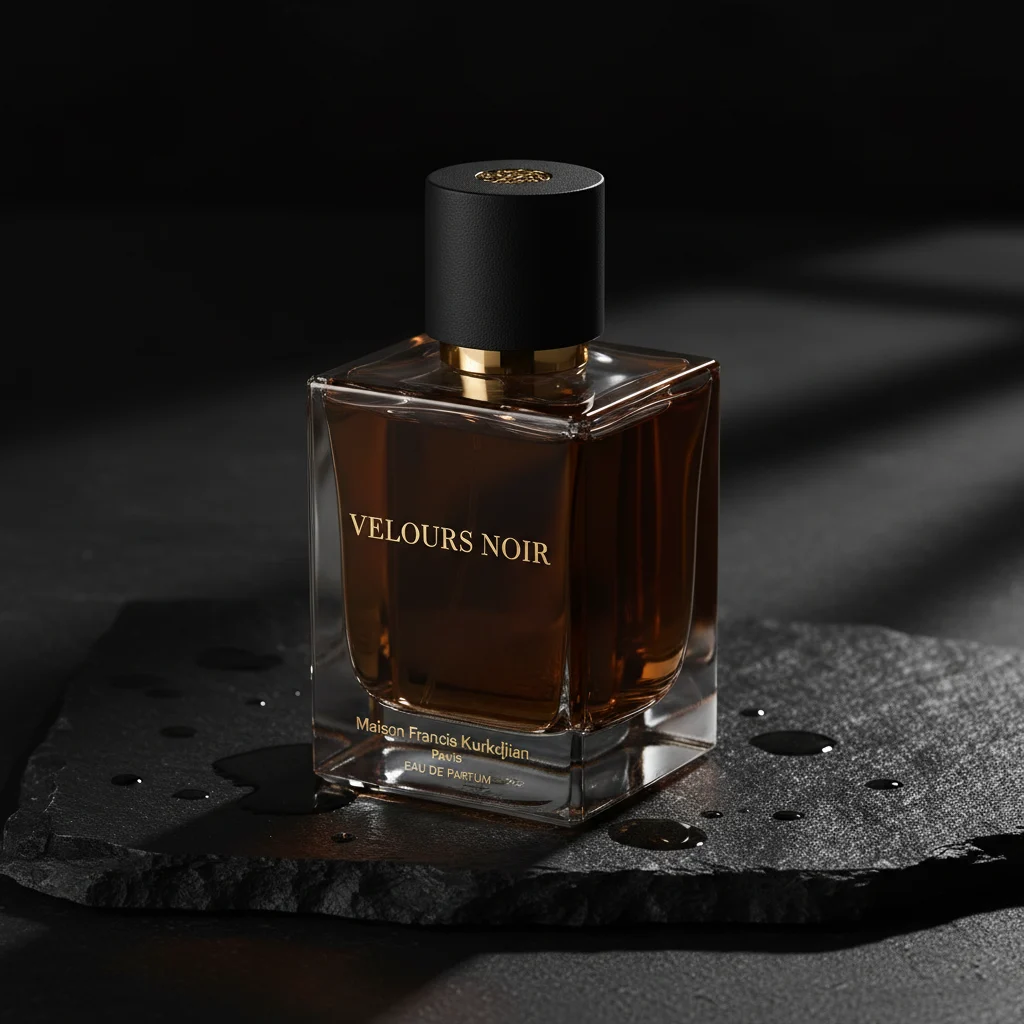
At RENAE, our oud compositions — Nuit Rose and Velours Noir — approach the ingredient from different angles: one romantic and floral, the other dark and architectural.