The Question Nobody Likes to Answer Directly
Is a £250 niche oud fragrance worth more than a £60 designer fragrance? The honest answer is: it depends on what you are measuring.
If you are measuring raw material quality, concentration, longevity and individuality — then yes, overwhelmingly. If you are measuring brand prestige in a social context where the name on the bottle matters more than what is inside it — then the calculation shifts.
This guide is for those who want to understand what they are actually paying for.
The Cost of Oud: Why the Ingredient Justifies the Price
Oud (agarwood resin) is one of the most expensive natural materials on earth. Wild oud from Cambodia or India can cost between $3,000 and $30,000 per kilogram depending on age, density and grade. Even farmed oud — increasingly common as wild supplies are protected — costs several hundred dollars per kilogram.
By comparison, the synthetic musks that form the backbone of most designer fragrances cost a few dollars per kilogram.
This is not to say synthetic materials are inferior. Some of the most beautiful fragrance materials are synthetic — Iso E Super, Ambroxan, Hedione. But when a composition uses real oud, real rose absolute, real sandalwood — the cost structure is fundamentally different. You are paying for scarcity, not branding.
Why Oud Fragrances Last Longer
Longevity in a fragrance is determined by two factors: concentration (the percentage of aromatic compounds in the formula) and the molecular weight of the materials used.
Oud molecules are large, dense and slow-evaporating. They bond with skin proteins and fix other materials around them, creating a fragrance that evolves over many hours rather than dissipating quickly.
A designer Eau de Toilette typically contains 5–12% aromatic concentrate. Most of this is composed of light, fast-evaporating top notes designed for immediate appeal in a retail environment.
A niche oud Eau de Parfum or Extrait contains 18–30% concentrate, with a high proportion of heavy base materials. The result: 10–18 hours of wear versus 3–5. Not an incremental difference — a completely different experience.
Sillage: The Trail You Leave
Sillage (pronounced "see-yazh") is the French word for a fragrance's trail — the scent impression you leave in a room or on a person after you have passed through. It is distinct from longevity: a fragrance can last hours but project only when pressed against the skin, or project powerfully but fade within two hours.
Oud fragrances tend to have what perfumers call "deep sillage" — a moderate projection that radiates warmth rather than announcing itself aggressively, and that lingers in the air for minutes after the wearer has left.
This is what people mean when they say an oud fragrance "fills the room" without being overpowering. The molecules move slowly, settle into fabrics and surfaces, and create an atmospheric presence rather than a direct hit.
The Individuality Factor
The most underrated difference between niche oud perfumery and designer fragrance is individuality. Designer houses create for the broadest possible audience. Their fragrances are tested extensively for safety, accessibility and mainstream appeal. The edges are deliberately smoothed.
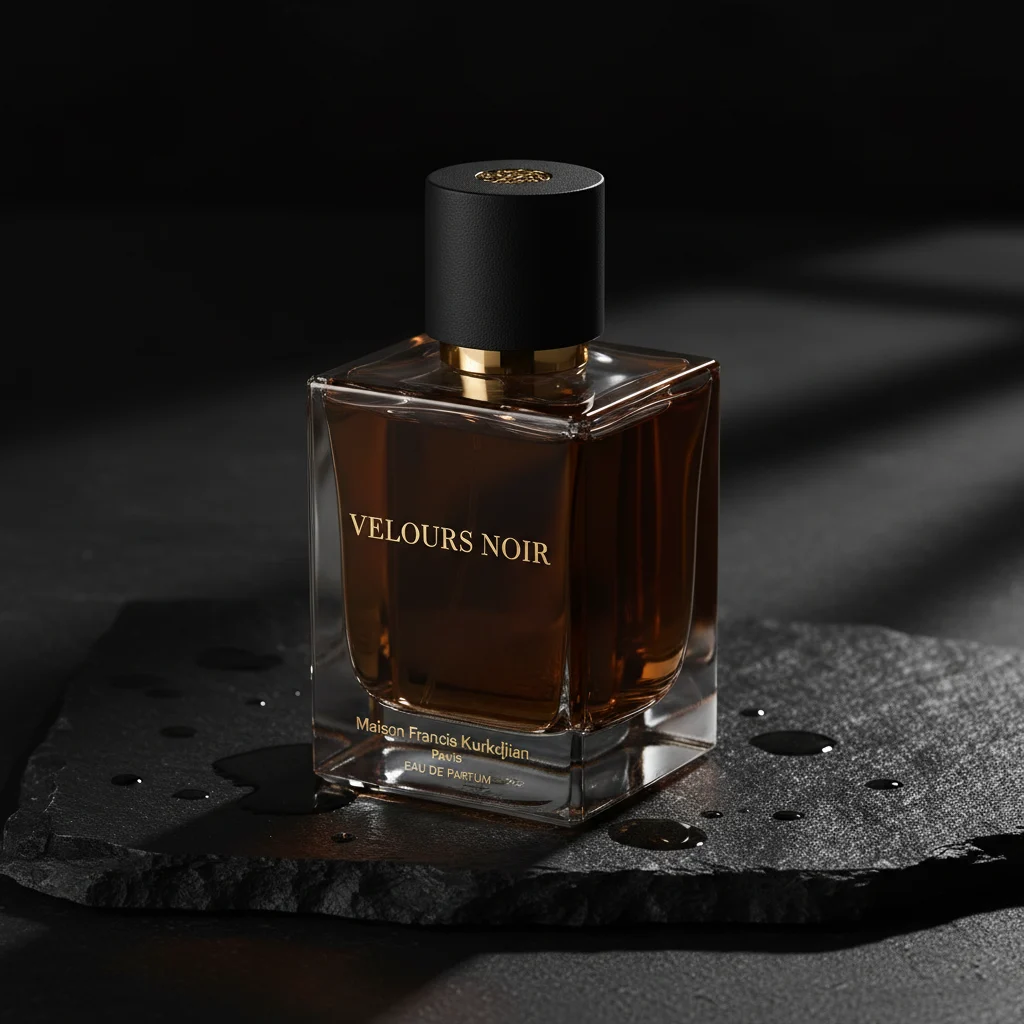
Niche perfumers do not work this way. A composition like RENAE's Velours Noir — Black Iris, smoked Vetiver, Dark Musk at Extrait concentration — is not for everyone. It is precisely because it is not for everyone that it is extraordinary for the people it belongs to.
Oud, in particular, is an ingredient that polarizes. Those who love it, love it with the kind of specificity and passion that rarely exists around designer fragrance. That relationship between person and scent — that sense of having found something that feels singular — is the true value of niche.