Bergamot: Calabria, Italy
Bergamot is almost exclusively grown in a narrow coastal strip in Reggio Calabria, southern Italy — one of the most geographically specific luxury ingredients in the world. The combination of soil composition, sea air, sunlight hours and temperature creates a fruit whose essential oil has a quality that cannot be replicated elsewhere.
Attempts to grow bergamot at scale in other citrus-producing regions consistently produce an oil with lower concentrations of linalyl acetate and linalool — the compounds responsible for its distinctive floral, peppery freshness — and higher concentrations of heavier terpenoid compounds that make it smell coarser and less refined.
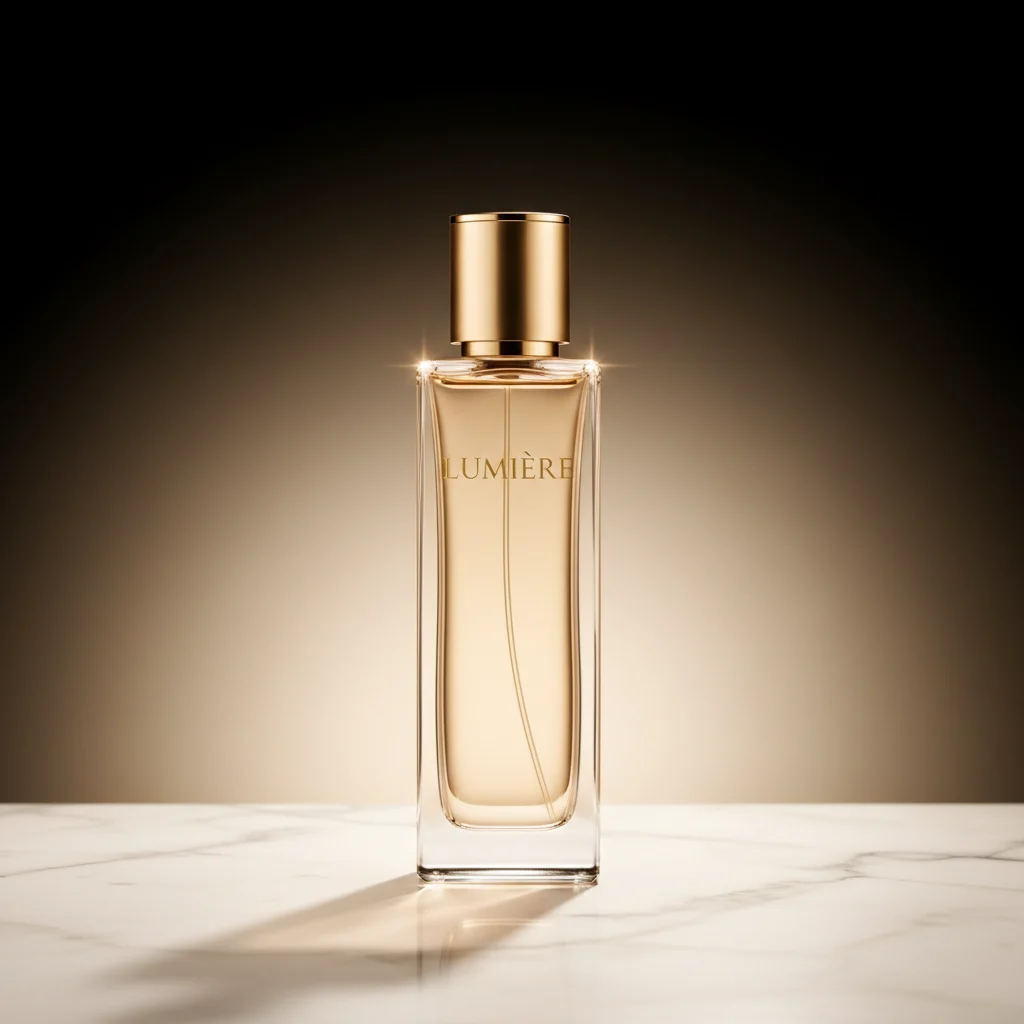
In RENAE's Lumière, Calabrian bergamot provides the opening's luminous lift — a brightness that is simultaneously citrus, floral and almost imperceptibly spicy. It sets the register for everything that follows.
Damask Rose: The Valley of Roses, Bulgaria
Rosa damascena has been cultivated in Bulgaria's Kazanlak valley since the 17th century, when Ottoman traders introduced it from Persia. The valley's specific microclimate — cool nights, warm days, morning dew that settles on the petals — creates conditions in which the rose produces its maximum concentration of aromatic compounds.
The Bulgarian harvest runs for approximately three weeks in late May and early June. During this period, the entire valley operates around the rose — pickers begin before sunrise, and the flowers must reach the distillery within hours of harvest to prevent the delicate volatile compounds from degrading.
Bulgarian Damask Rose absolute has a warmth and depth that Moroccan or Turkish varieties do not match in quite the same way. It has more body, more of the geranium-like metallic quality that gives the finest rose perfumes their complexity.
Oud: Cambodia and Southeast Asia
Agarwood — the source of oud — grows primarily across Southeast Asia: Cambodia, Vietnam, Laos, Indonesia, India. The variations between geographic origins are dramatic.
Cambodian oud is considered the gold standard for Western niche perfumery: relatively clean, slightly sweet, with a smooth woody depth and less of the animalic intensity of Indian varieties. Vietnamese oud tends more honeyed and soft. Laotian oud has a green, forest character. Indian oud is the most complex and challenging — deeply animalic, medicinal, extraordinary.
The oud accord in RENAE's compositions references the Cambodian-Laotian character: present and complex without being confrontational, allowing the rose and iris and vetiver around it to breathe.
Sandalwood: Mysore, India and Australia
Mysore sandalwood (Santalum album) from Karnataka in southern India was for centuries the definitive sandalwood in perfumery. Dense, creamy, almost sweet, with a warmth that seems to emanate from within rather than from the surface — it has no synthetic equivalent that fully replicates it.
Due to overharvesting and Indian government restrictions on export, Mysore sandalwood has become increasingly rare and expensive. Australian sandalwood (Santalum spicatum) and plantation-grown S. album from Australia have emerged as the primary alternatives — offering similar creaminess with slightly more dryness.
The sandalwood in RENAE's Lumière is a carefully blended accord combining the best-available natural sandalwood materials with a small percentage of synthetic support to achieve the creaminess and warmth that the composition requires.