The Science: Body Temperature and Molecular Volatility
Fragrance molecules evaporate at different rates depending on temperature. As ambient temperature drops in the evening, lighter, more volatile top and heart notes slow their evaporation. What remains — and what dominates — are the densest, slowest-moving molecules in the composition. In oud fragrances, this is the oud itself.
Simultaneously, your body temperature holds steady while the air around you cools. This creates a microclimate around the skin where oud's heavy molecules warm slowly, releasing with a controlled intensity that feels different from the opened-up projection of warm afternoon hours.
The result is a fragrance that feels closer. More intimate. As though it has settled into the skin rather than projecting from it.
The Psychology: Why Night Memories Are Different
Scent is processed in the limbic system — the part of the brain responsible for emotion and memory. What is less often discussed is that the limbic system also governs our sense of time of day, our circadian rhythm, and our emotional register at different hours.
Research in chronopsychology shows that we are measurably more emotionally receptive in the evening hours. Inhibition drops. Emotional memory becomes more accessible. The fragrance you wear is processed not just as a smell, but as an emotional event — and that event is catalogued more deeply at 11pm than at 11am.
This is why oud fragrances worn at night tend to leave stronger memories — in yourself and in others. The brain is primed to receive them more completely.
The Oud Phenomenon: What Other Notes Don't Do
Most fragrance notes behave predictably through the day — starting bright, developing through complexity, then fading into a soft base presence. Oud is unusual because it resists this trajectory.
Oud molecules have enormous molecular weight and a structural complexity that means they interact differently with humidity, temperature and skin proteins over time. Rather than fading, they can intensify — not in projection, but in depth. The woody, animalic, resinous aspects that were present but restrained in the composition's morning wear become more prominent as the day moves into night.
This is what oud wearers describe as the fragrance "opening up." The same composition, worn continuously, reveals new dimensions in the later hours.
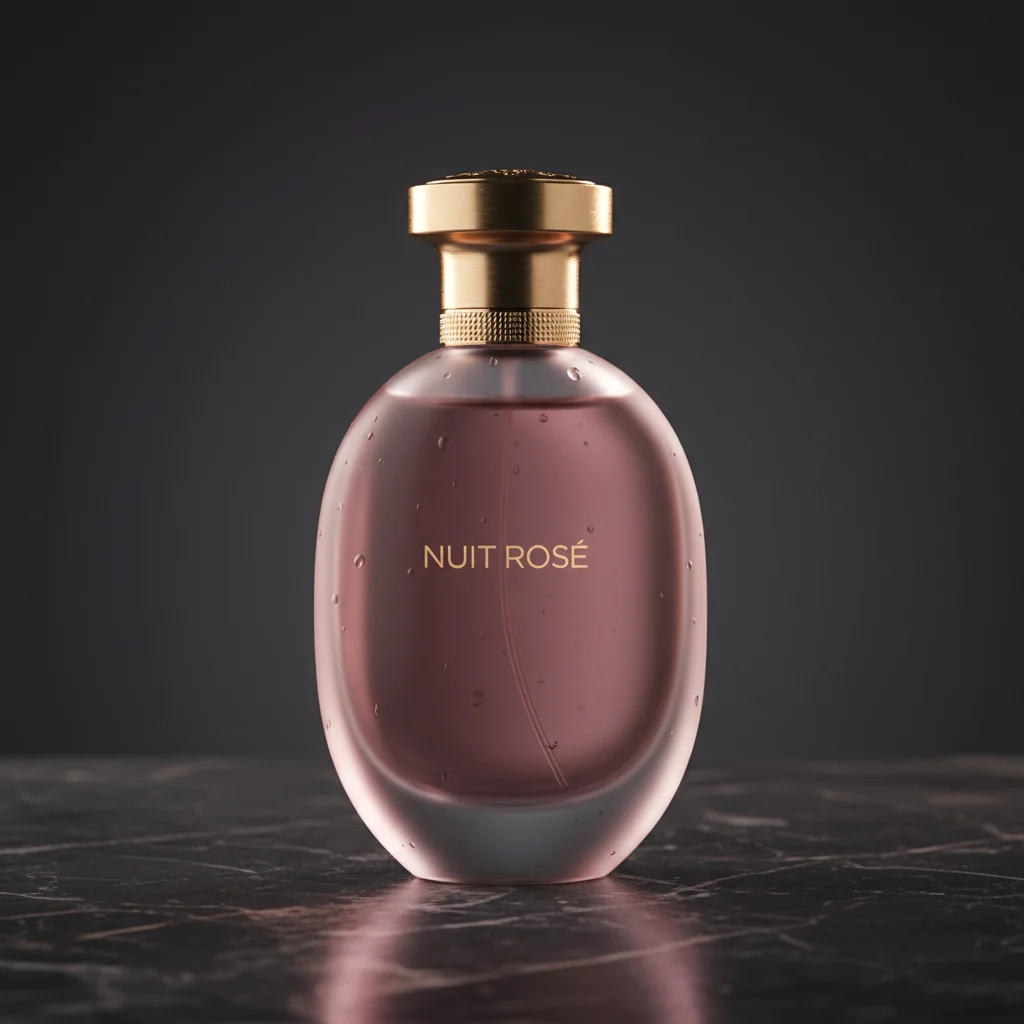
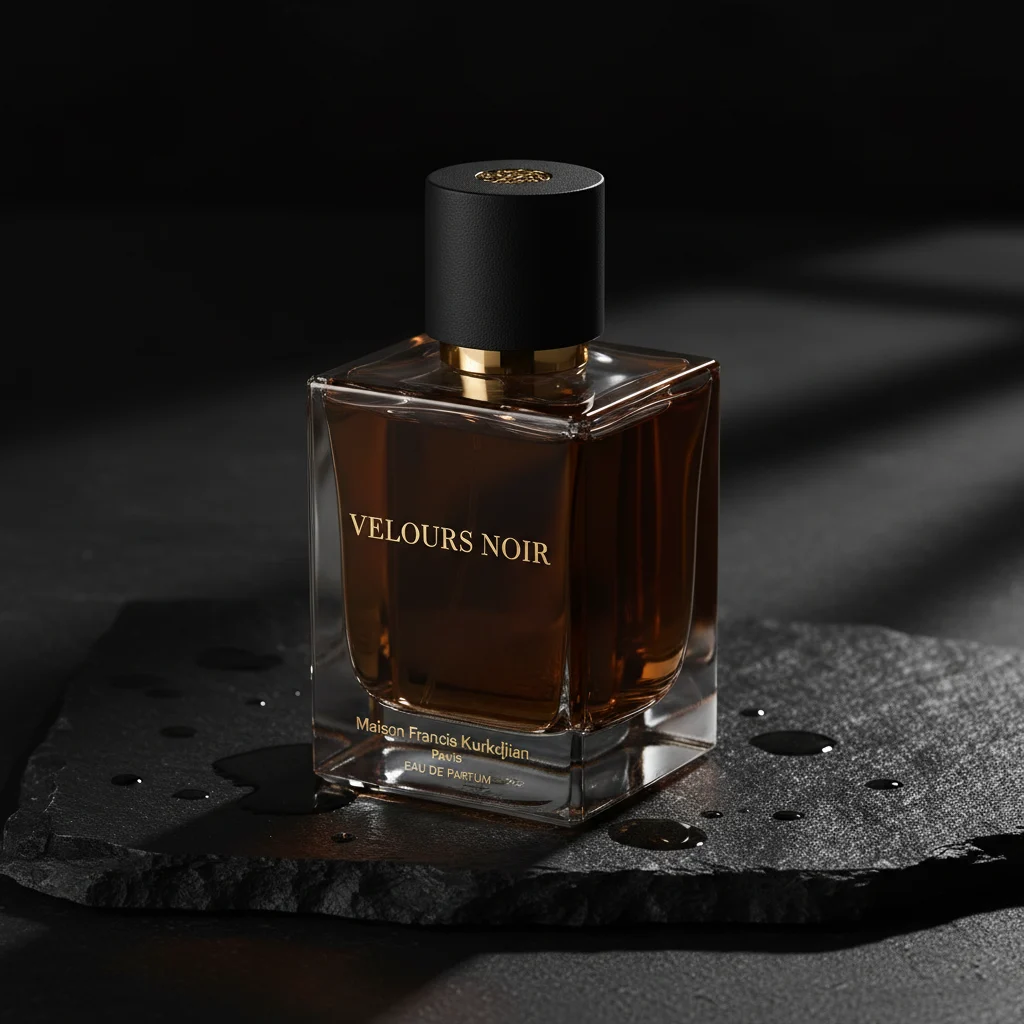
RENAE and the Night: Velours Noir and Nuit Rose
Both Velours Noir and Nuit Rose were composed with evening wear in mind — not because of convention, but because their materials demand low light and cooler air to perform at their best.
Velours Noir at 11pm is not the same fragrance as Velours Noir at 11am. The Black Iris that was architectural and powdery in morning light becomes something more shadowed and intimate after dark. The Dark Musk settles into skin like a second layer.
Nuit Rose follows the same pattern: the Damask Rose that gave it warmth at dinner becomes something slightly darker, more sensual, less social — as though the fragrance has stopped performing and started being.
This is the promise of oud at night. Not drama. Just presence. The quiet intensity that only comes in the hours when everything else has quietened.