1. The Extrait Moment
The highest concentration format in perfumery — Extrait de Parfum at 20–40% aromatic concentrate — is no longer reserved for heritage houses and collector pieces. In 2025, new niche releases increasingly default to Extrait.
The driver is not luxury signaling. It is longevity and experience quality. A generation of fragrance consumers who have worn serious niche compositions for years now understands what Extrait concentration delivers: skin-close, evolving presence that lasts a full day and reveals complexity slowly. The ten-hour fragrance.
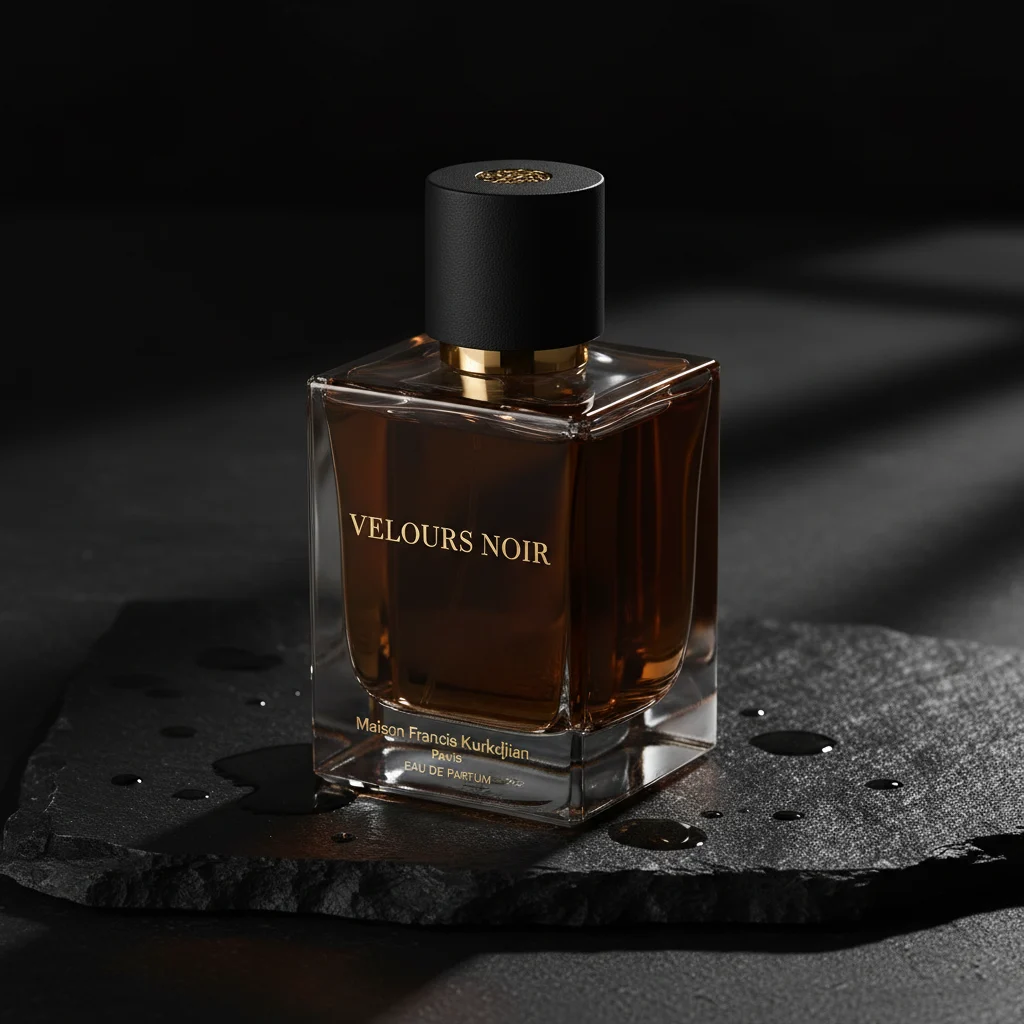
This is not a trend that will reverse. Once you wear a genuine Extrait — like Velours Noir at 25% concentration — EDP feels, by comparison, like a sketch rather than a painting.
2. Oud Maturation: Beyond the Obvious
The first wave of Western oud fragrance (2003–2015) was characterized by bold, declarative compositions — oud as a statement, worn loudly. The second wave made oud accessible by softening it into rose-oud accords and amber-oud blends.
The third wave, emerging clearly in 2025, uses oud as a structural element rather than a headline. It sits in the base, providing architecture and depth without announcing itself. It is oud for people who already know oud — compositions that reward the knowledgeable nose.
Niche houses are leading this. The question is no longer "does this have oud?" but "what does the oud do here that nothing else could?"
3. Ingredient Transparency as Luxury Signal
In 2025, the most sophisticated fragrance consumers are asking questions that would have seemed niche even five years ago: Where was this rose grown? What grade of oud? Is the sandalwood Mysore or Australian plantation?
This mirrors what happened in gastronomy over the past two decades — the provenance of ingredients becoming as important as the preparation. A fragrance house that can answer these questions with specificity is signaling something that a beautiful bottle and elegant packaging cannot.
RENAE's sourcing philosophy — Bulgarian Damask Rose from the Kazanlak Valley, Cambodian-referenced oud accords, Haitian vetiver — is not marketing. It is the answer to these questions. And increasingly, the audience asking them is the one worth speaking to.
4. Slow Fragrance: The Anti-Blind-Buy
The blind buy — purchasing a fragrance based on notes lists and reviews without smelling it — reached its logical limit around 2023. A new behavior is emerging: slower, more deliberate fragrance acquisition. Longer consideration periods. Single-fragrance focus rather than collection accumulation.
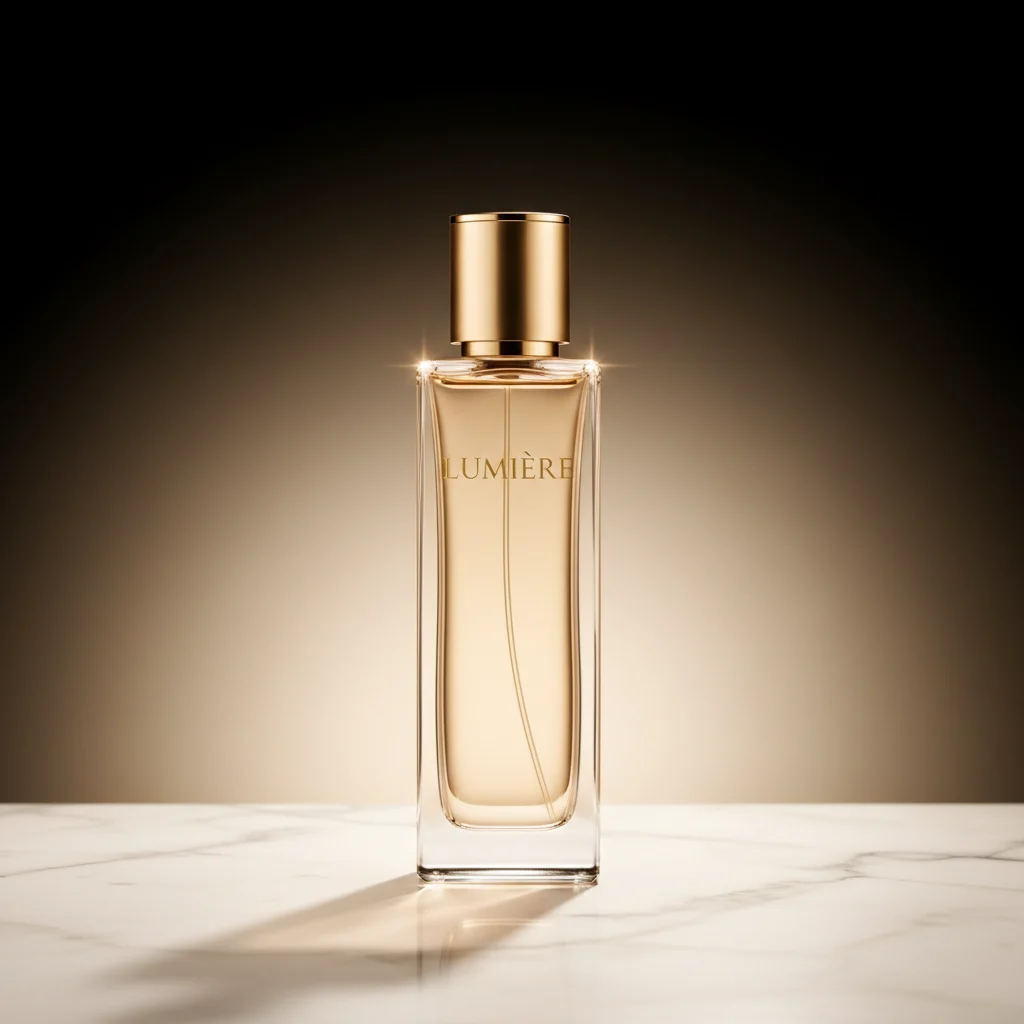
This is good news for houses like RENAE, whose compositions reward attention and time. Lumière reveals itself differently on the third wear than the first. Velours Noir takes a full day to fully understand. These are fragrances that improve with familiarity — the opposite of the instant-impact, quickly-forgotten compositions that dominate blind buy culture.
5. The Return of Floral Complexity
The clean, sheer floral aesthetic that dominated the 2010s — fragrances designed to smell like clean fabric softener with a floral suggestion — is giving way to a renewed interest in complex, natural floral compositions.
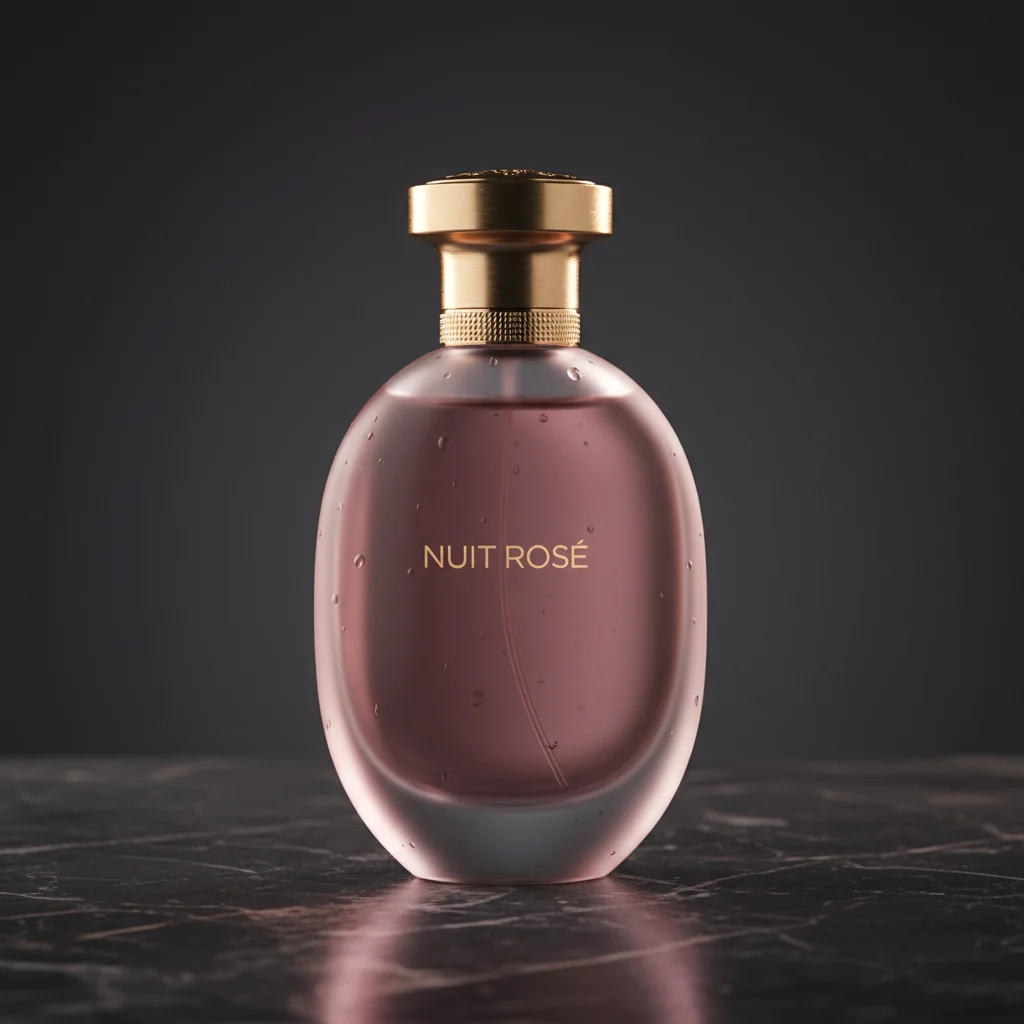
Rose is at the center of this. Not the synthetic rose of mass-market fragrance, but Damask and centifolia rose — dense, multifaceted, carrying the genuine complexity of the flower rather than an approximation of it.
Consumers who have grown up with sheer florals and explored niche fragrance are discovering what natural rose absolute actually smells like. Many find it transformative. This is driving a meaningful shift back toward traditional floral compositions — not nostalgic, but re-evaluated.